The Best Companion Plants For Marshmallow
The Best Companion Plants for Marshmallow
Marshmallow (Althaea officinalis) is a hardy perennial plant that is native to Europe, Asia, and North Africa. It is a member of the mallow family (Malvaceae) and can grow up to 6 feet tall. Marshmallow plants have large, hairy leaves and pink or white flowers. The roots of the marshmallow plant are used medicinally to treat a variety of ailments, including coughs, sore throats, and stomach ulcers.
Marshmallow plants are also popular ornamental plants. They can be grown in borders, wildflower meadows, or even as cut flowers. When grown in the garden, marshmallow plants can benefit from companion planting. Companion planting is the practice of planting certain plants together to improve their growth and health. There are a number of plants that make good companion plants for marshmallow.
Some of the best companion plants for marshmallow include:
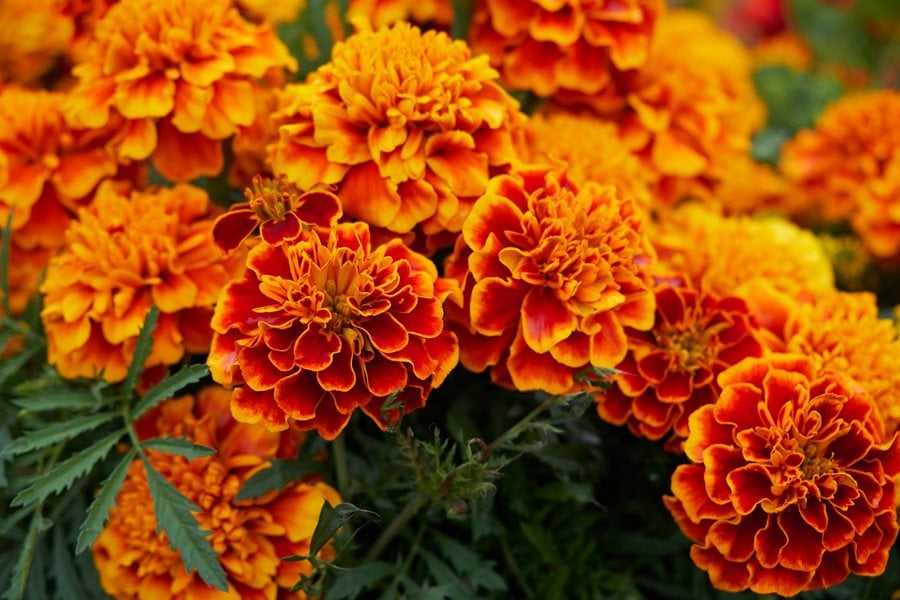
- Marigolds: Marigolds are known for their insect-repelling properties. They can help to deter pests such as aphids, spider mites, and whiteflies from marshmallow plants.
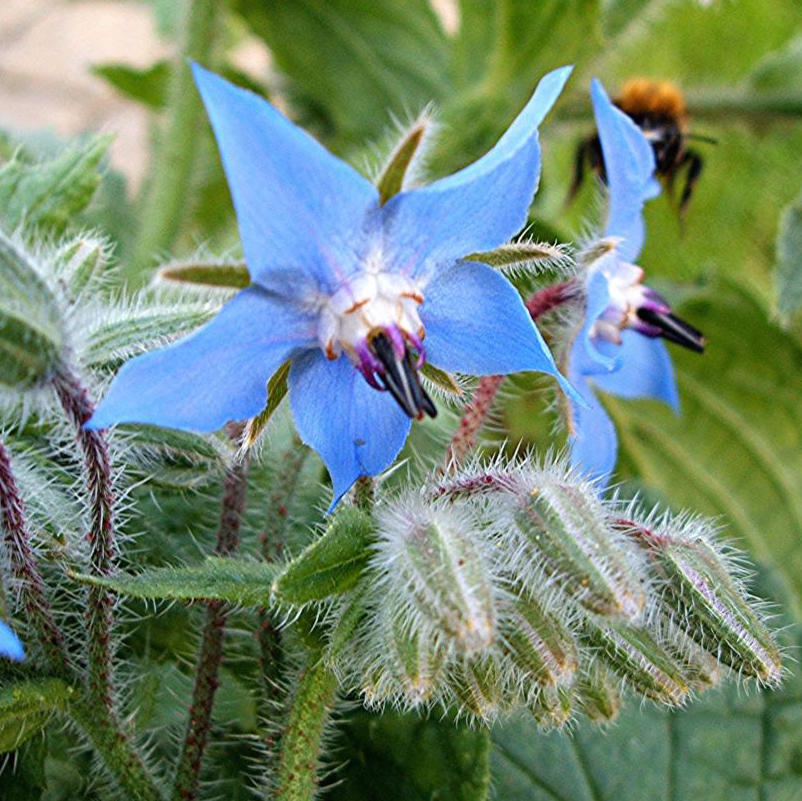
- Borage: Borage is another insect-repelling plant. It also attracts beneficial insects such as bees and butterflies. Borage can help to improve the pollination of marshmallow plants.
- Nasturtiums: Nasturtiums are edible flowers that can be used in salads or as a garnish. They are also known for their insect-repelling properties. Nasturtiums can help to protect marshmallow plants from pests such as aphids and cabbage worms.

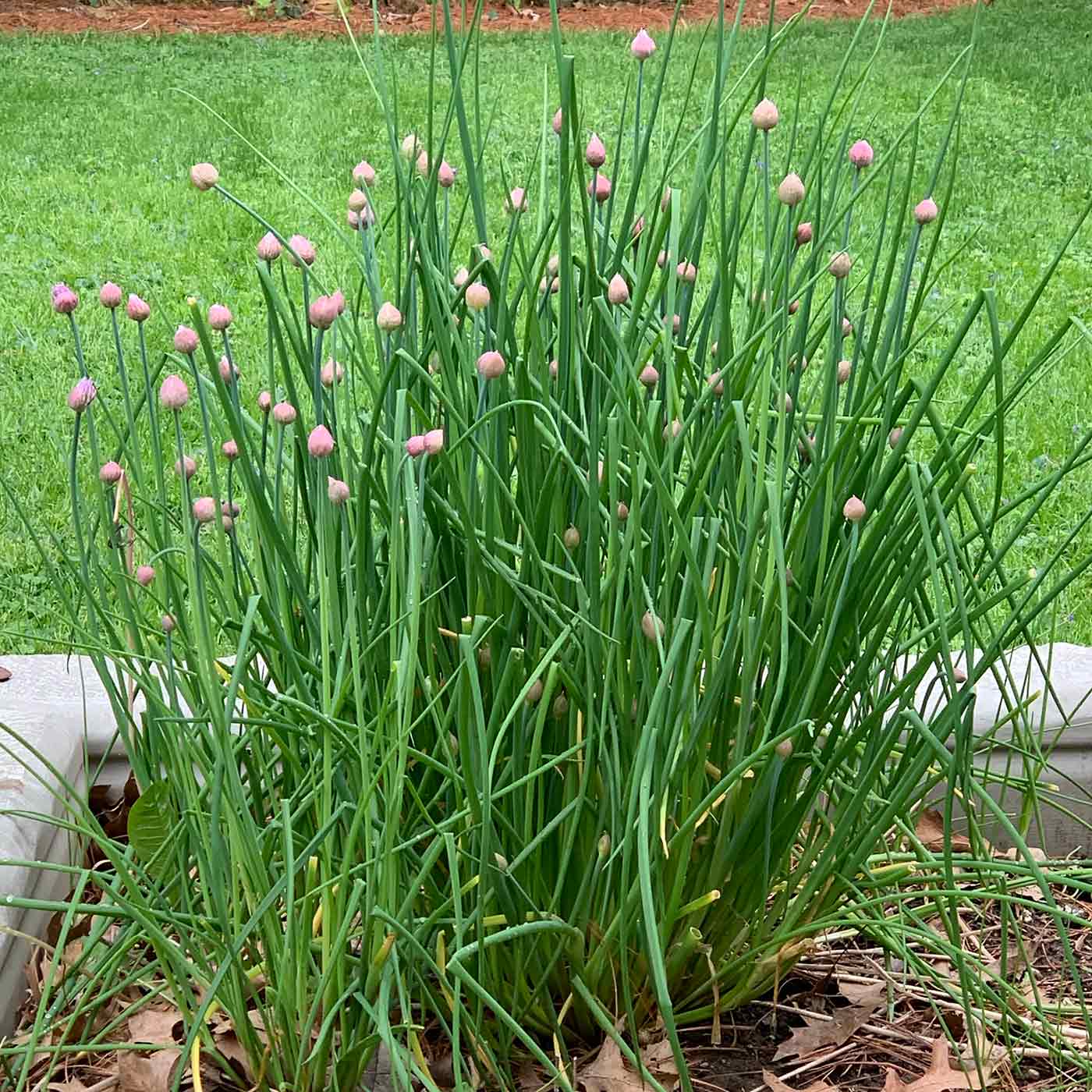
- Chives: Chives are a member of the onion family and have a strong scent that can repel pests. They can also help to improve the flavor of marshmallow flowers.
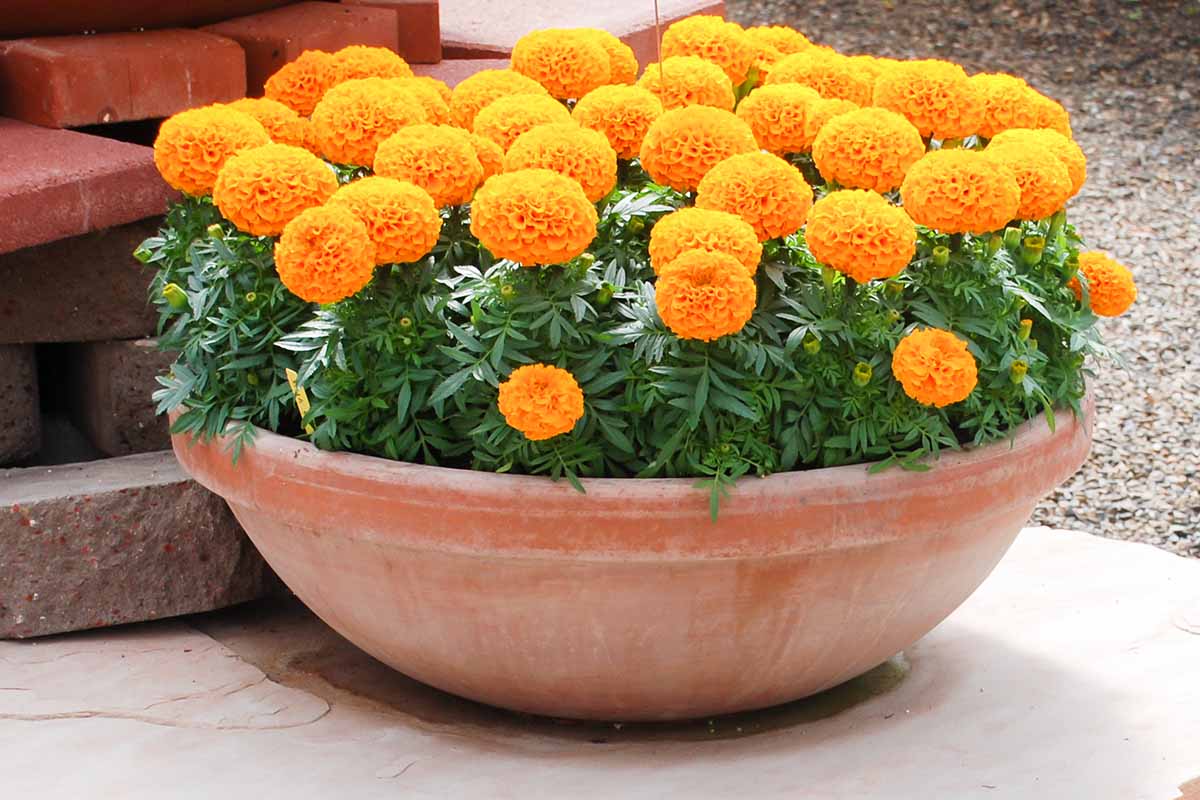
- Pot marigolds: Pot marigolds are another type of marigold that is often used as a companion plant. They have similar insect-repelling properties to French marigolds.
In addition to these plants, there are a number of other plants that can be grown as companion plants for marshmallow. Some good choices include beans, carrots, cucumbers, lettuce, peas, potatoes, and tomatoes. When choosing companion plants for marshmallow, it is important to consider the size and growth requirements of the plants. For example, marshmallow plants can grow quite tall, so it is important to plant them with shorter companion plants.
Companion planting can be a great way to improve the growth and health of marshmallow plants. By planting them with the right companion plants, you can help to deter pests, improve pollination, and enhance the flavor of the flowers.
FAQ of marshmallow companion plants
Q: What are some good companion plants for marshmallow?
A: Marshmallow (Althaea officinalis) is a tall, leafy perennial that can be grown in USDA hardiness zones 3-9. It is a nitrogen-fixing plant, meaning that it helps to improve the soil quality for other plants. Some good companion plants for marshmallow include:
- Beans: Beans are legumes, like marshmallow, and they also fix nitrogen in the soil. They can help to improve the growth and yield of marshmallow plants.

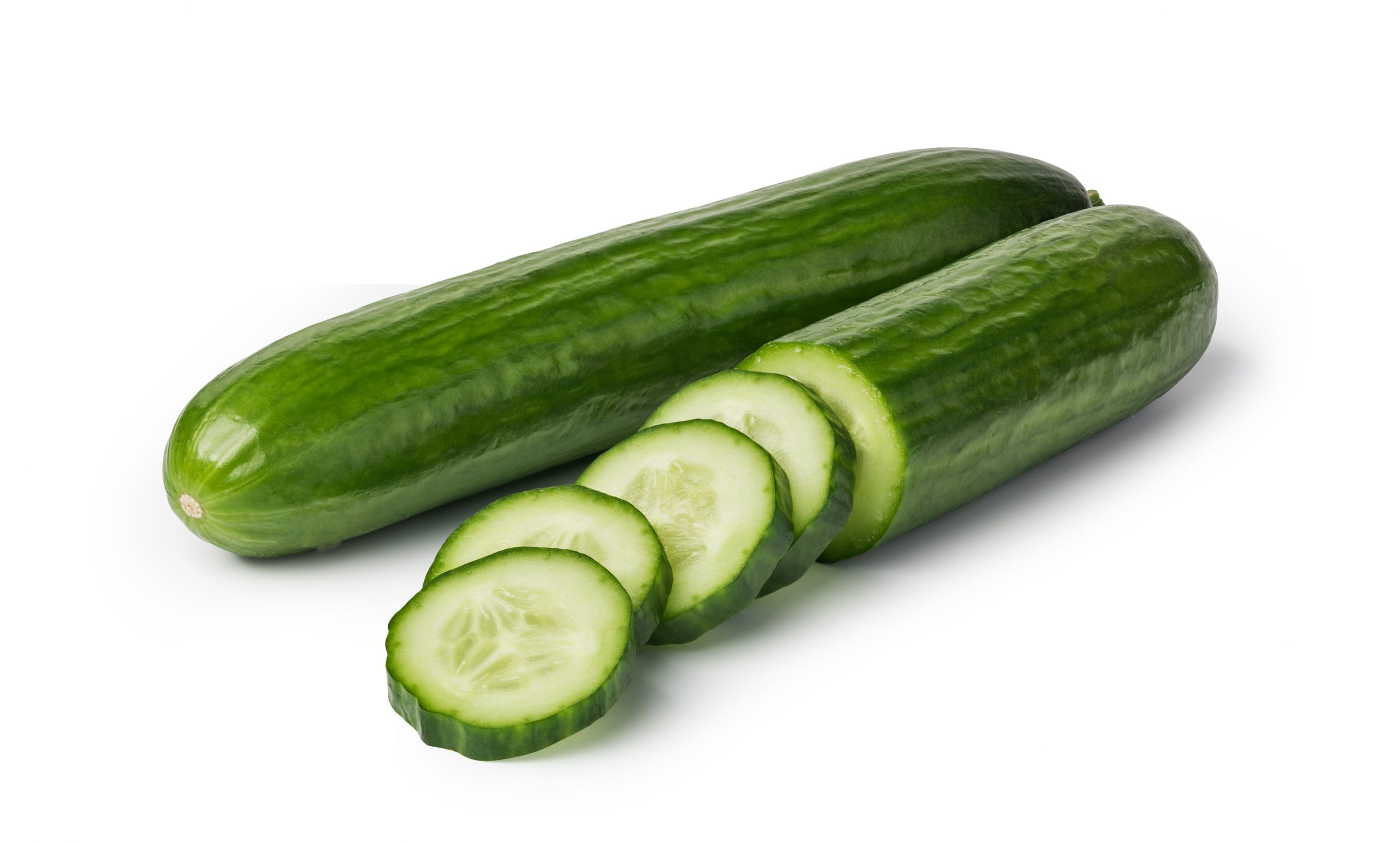
- Cucumbers: Cucumbers benefit from the shade of marshmallow plants, and they can also help to deter pests.
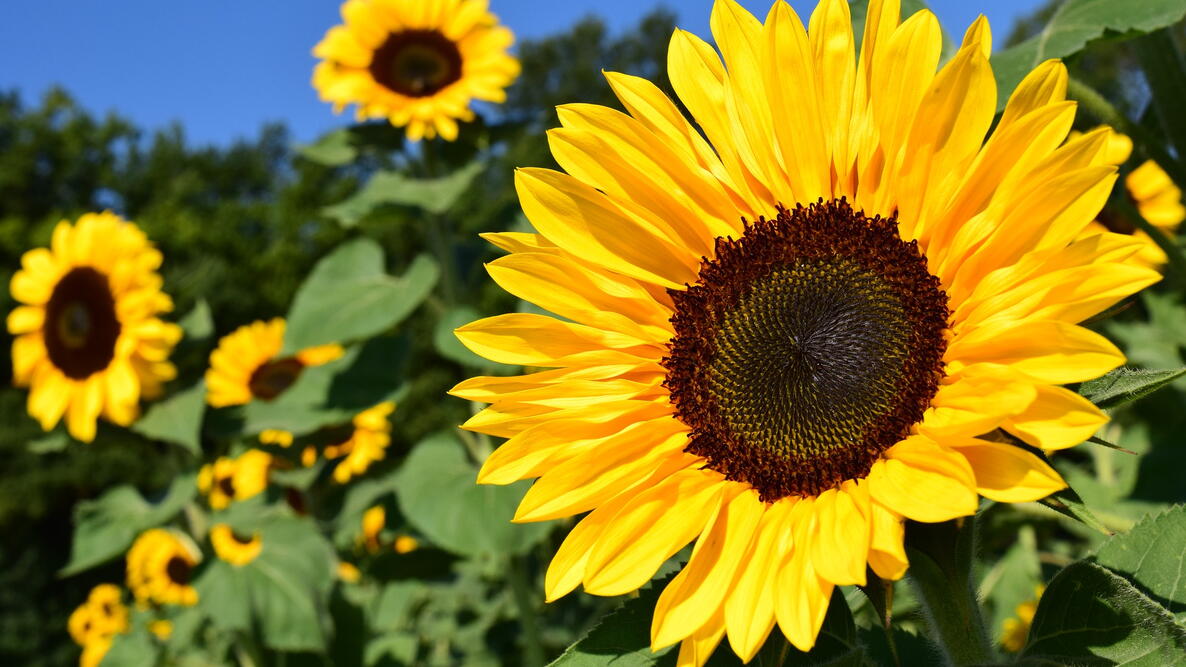
- Sunflowers: Sunflowers attract pollinators, which can help to pollinate marshmallow flowers. They can also help to shade the roots of marshmallow plants, which can help to prevent them from drying out.
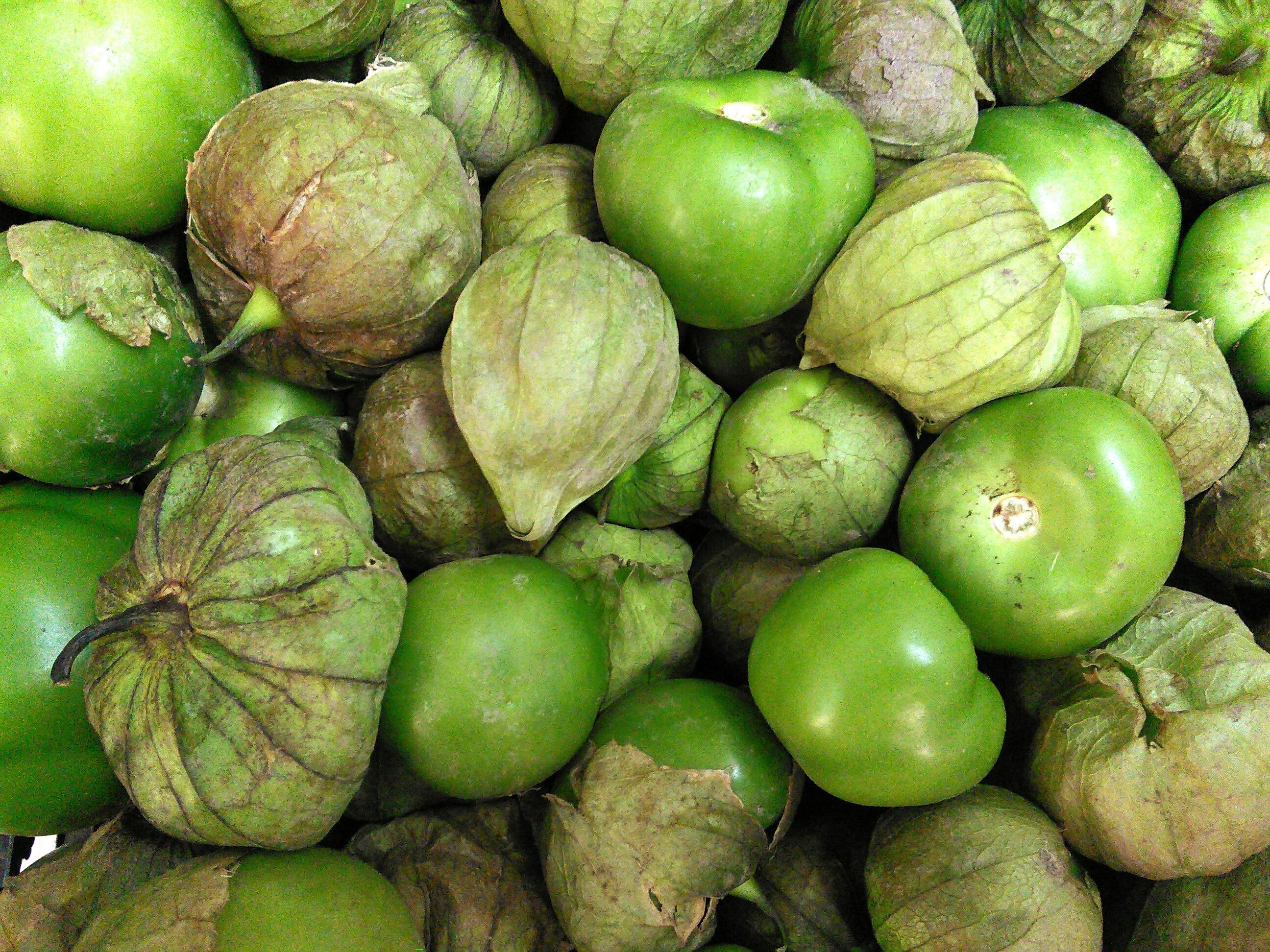
- Tomatillos: Tomatillos are also nitrogen-fixing plants, and they can help to improve the growth of marshmallow plants.
- Yarrow: Yarrow is a deer-resistant plant that can help to deter pests from marshmallow plants. It can also help to improve the drainage of the soil around marshmallow plants.

Q: What are some pests and diseases that can affect marshmallow plants?
A: Marshmallow plants are relatively resistant to pests and diseases, but they can be susceptible to a few problems, including:
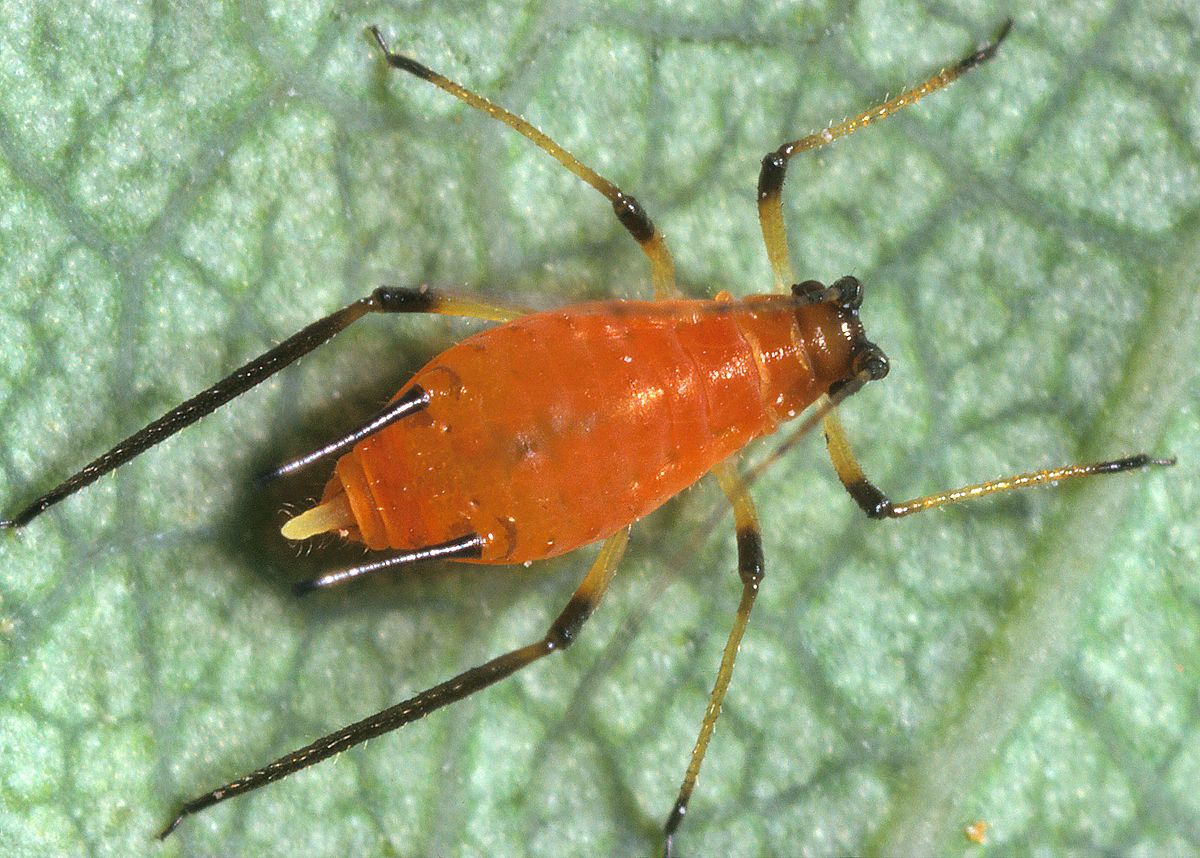
- Aphids: Aphids are small, sap-sucking insects that can damage marshmallow plants. They can be controlled with insecticidal soap or neem oil.
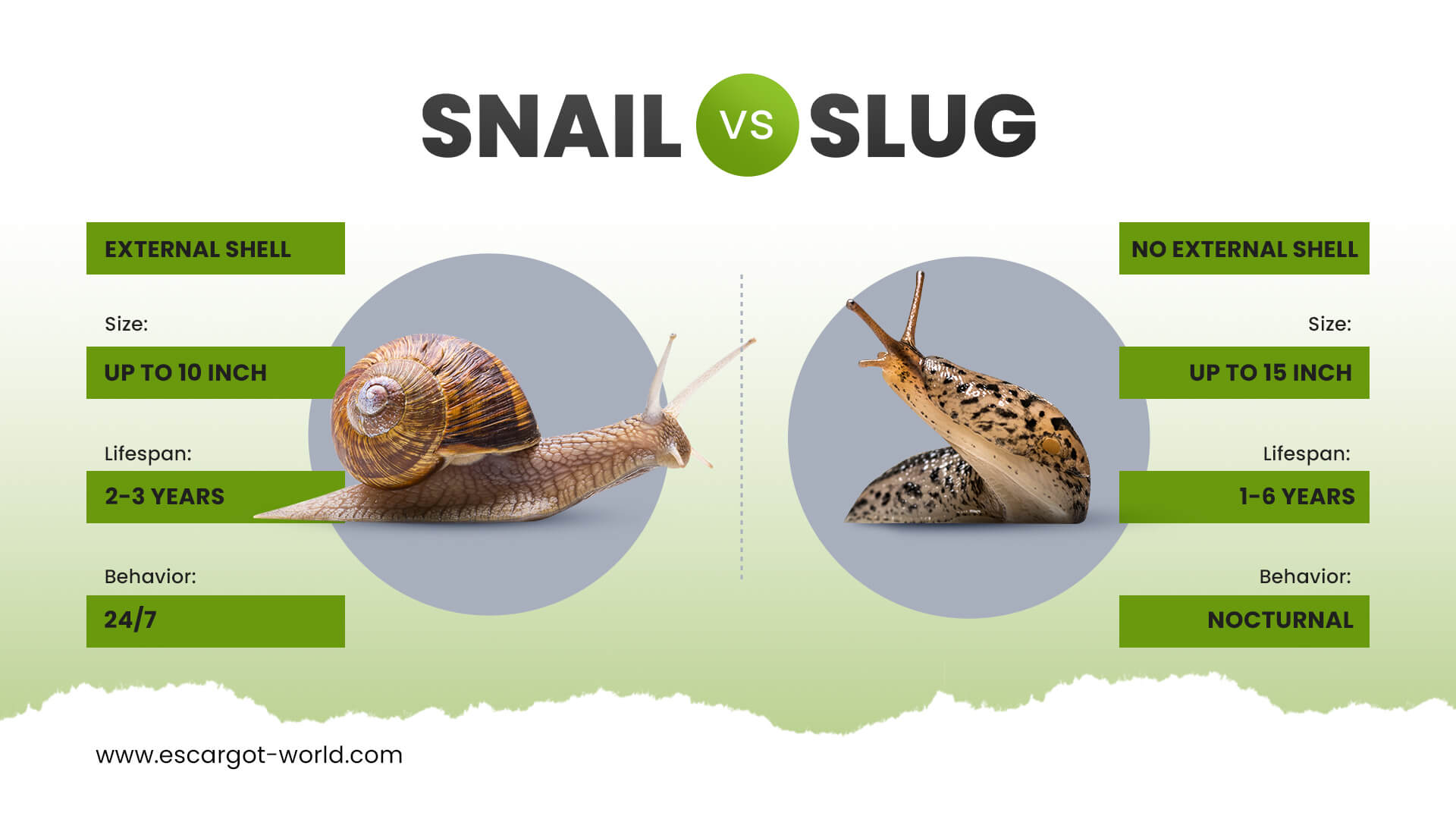
- Slugs and snails: Slugs and snails can eat the leaves of marshmallow plants. They can be controlled with beer traps or slug bait.
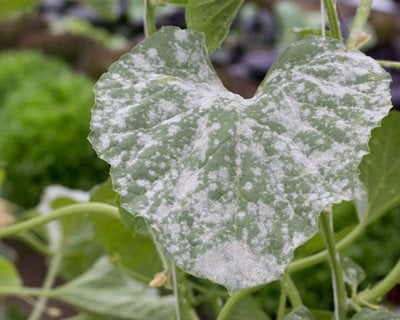
- Powdery mildew: Powdery mildew is a fungal disease that can cause white, powdery patches to form on the leaves of marshmallow plants. It can be prevented by watering the leaves of marshmallow plants in the morning so that they have time to dry before nightfall. If powdery mildew does occur, it can be treated with a fungicide.
- Rust: Rust is a fungal disease that can cause orange or brown spots to form on the leaves of marshmallow plants. It can be prevented by watering the leaves of marshmallow plants in the morning so that they have time to dry before nightfall. If rust does occur, it can be treated with a fungicide.

Q: How far apart should marshmallow plants be planted?
A: Marshmallow plants should be planted about 2-3 feet apart. This will give them enough room to grow and spread.
Q: When should marshmallow plants be harvested?
A: Marshmallow plants can be harvested when the flowers are in full bloom. The flowers should be cut off and dried in a cool, dark place. Once the flowers are dry, they can be used to make marshmallow root tea, which is a traditional remedy for sore throats and coughs.
Q: How can I propagate marshmallow plants?
A: Marshmallow plants can be propagated by seed or by division. To propagate by seed, sow the seeds in the spring in a well-drained soil. The seeds should germinate in about 2-3 weeks. To propagate by division, dig up a mature marshmallow plant in the fall or spring and divide it into several smaller clumps. Plant the clumps in a new location and water them well.
Image of marshmallow companion plants
5 different images of "marshmallow companion plants" from Pinterest:
- Nasturtium: Nasturtium is a flowering plant that is known for its edible leaves and flowers. It is a good companion plant for marshmallow because it helps to deter pests.
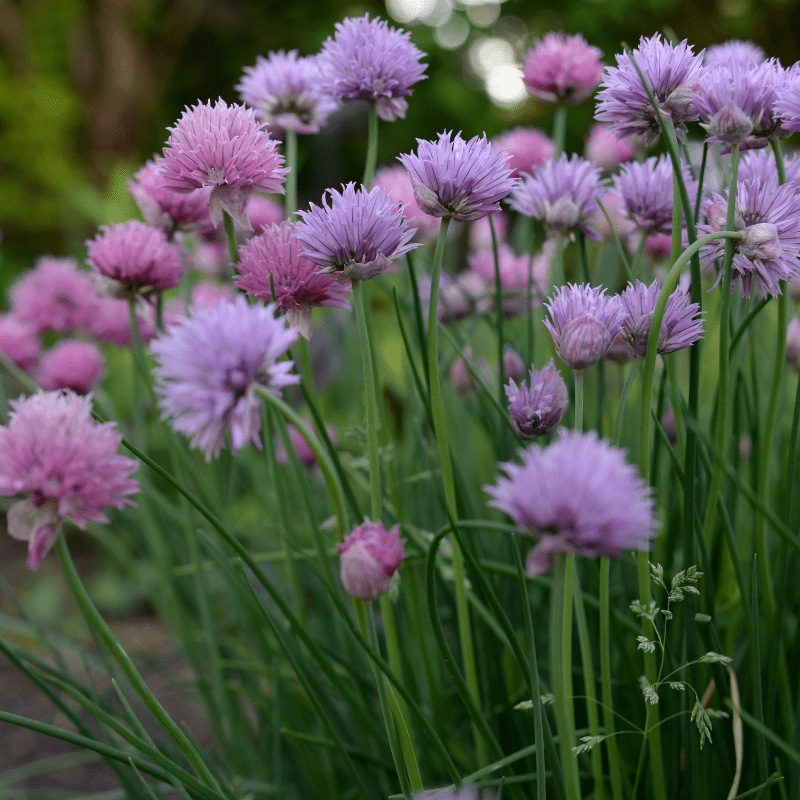
- Chives: Chives are another edible herb that is a good companion plant for marshmallow. They help to repel pests and improve the flavor of the marshmallow flowers.
- Marigold: Marigolds are a popular flower that is often used as a companion plant. They help to repel pests and improve the health of the soil.
- Lavender: Lavender is a fragrant herb that is a good companion plant for marshmallow. It helps to attract pollinators and repel pests.
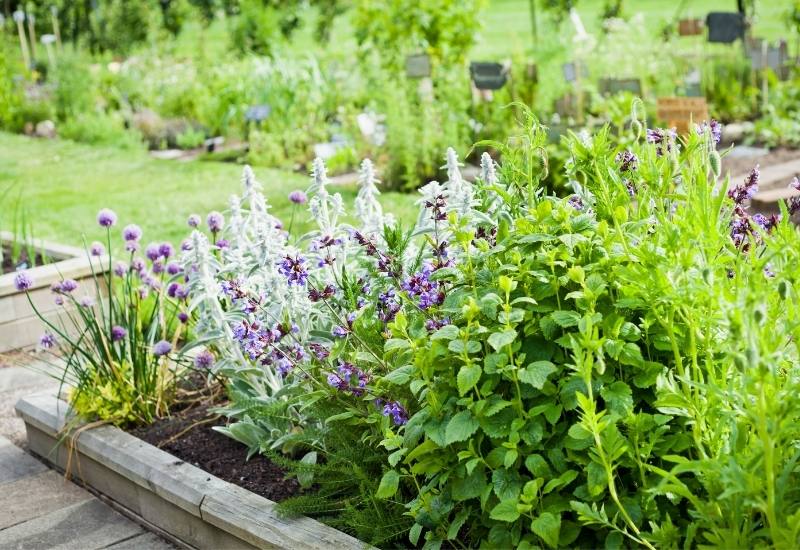
- Bee balm: Bee balm is a flowering plant that is known for attracting pollinators. It is a good companion plant for marshmallow because it helps to improve the pollination of the marshmallow flowers.


Post a Comment for "The Best Companion Plants For Marshmallow"